
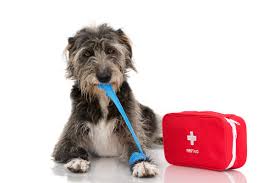
No matter how careful we are with them, our dogs occasionally get hurt. Having a well-stocked dog first aid kit on hand can be a huge help when treating minor injuries.
As a pet owner, you hope to never need to use a first aid kit, but it’s always better to be over-prepared than under-prepared. Active dogs especially can be prone to minor injuries like paw pad tears, scrapes, broken nails, and eye irritation, and the best dog first aid kits can help you treat these ailments quickly and effectively.
Building your own first aid kit for dogs is usually much better than buying a pre-made one. Commercial kits often contain too many band-aids for humans and very few useful tools for animals.
By assembling it yourself, you ensure that you use high-quality products tailored to your dog’s size and specific needs. Here is the ultimate guide to building the perfect kit, divided by categories so it is easy to organize.
- Wound Cleaning and Disinfection
Dogs often cut their paw pads, scrape themselves on branches, or run through brush. Here is what you need to clean wounds safely:
Veterinary Chlorhexidine (2% spray or solution): This is the king of antiseptics. It doesn’t sting, it’s non-toxic if they lick it a little (unlike iodine), and it disinfects better than alcohol.
Saline Solution (in single-dose ampoules): Ideal for flushing out dirt from a wound under pressure or for rinsing eyes if sand, dirt, or any irritating substance gets in.
Mild or Glycerin Soap: To wash the affected area before disinfecting.
Avoid Rubbing Alcohol and Hydrogen Peroxide: Alcohol causes unbearable stinging, and hydrogen peroxide destroys new cells that help heal, actually delaying recovery. - Dressings and Bandage Materials
A dog’s fur makes traditional band-aids completely useless. You need materials that stay secure:
Cohesive Bandage (such as Vetrap or Coban): This is the most important item. It is an elastic bandage that sticks to itself but not to the dog’s fur. It allows you to make firm bandages without ripping out hair when removing it.
Sterile Gauze Pads (never cotton balls): Cotton leaves loose fibers trapped in the wound that can cause infections. Always use gauze.
Medical Tape (cloth or paper): To secure the ends of the gauze before applying the cohesive bandage.
Blunt-Nosed (Round-Tip) Scissors: Essential for cutting bandages close to their skin without the risk of poking or cutting them if they move suddenly. - Tools and Equipment
Small accessories that can save the day in specific situations:
Fine Tweezers: To extract thorns, splinters, or glass from paw pads.
Tick Remover Tool: This is a small plastic tool that allows you to twist and pull out the entire tick (including the head) without squeezing it, reducing the risk of disease transmission.
Digital Thermometer + Lubricant (Vaseline): A dog’s temperature is measured rectally. Knowing if your dog has a fever is crucial data for the vet. (Normal range: 38 °C to 39.2 °C / 100.4 °F to 102.5 °F).
Needleless Sterile Syringes (5 ml and 10 ml): Useful for flushing wounds under pressure or administering liquid medication into the mouth in a controlled manner. - Specific Medications and Products
Before including any drugs, always consult your veterinarian for the exact dosages based on your dog’s weight.
Styptic Powder (or Silver Nitrate): This is a powder that stops bleeding instantly. It is a lifesaver if you accidentally cut the quick while trimming their nails, or if they break a nail while running.
Healing/Antibacterial Ointment: Pet-safe (non-toxic if licked in small amounts).
Corticosteroid or Antihistamine (BY PRESCRIPTION ONLY): To stop a severe allergic reaction from a bee or wasp sting while you are on your way to the clinic.
Electrolyte Supplement or Activated Charcoal: Activated charcoal can save their life if they ingest poison, but you must only use it under the express telephone instruction of a veterinarian. - Safety and Logistics
A Cloth Muzzle: Even if your dog is an angel, extreme pain can cause them to bite purely out of defensive instinct while you are examining them.
An Emergency Mylar Blanket or Old Towel: Useful to keep them warm if they go into shock, or to use as a makeshift stretcher if it is a large dog and cannot walk.
Emergency Contact Card: Write down the phone number of your regular vet, the nearest 24-hour emergency clinic, and a pet-friendly taxi service.
One Last Tip
Get a waterproof, rigid pouch in a bright color (like red or orange) to store everything. Check the kit at least twice a year to make sure nothing has expired and that the thermometer still has battery.