
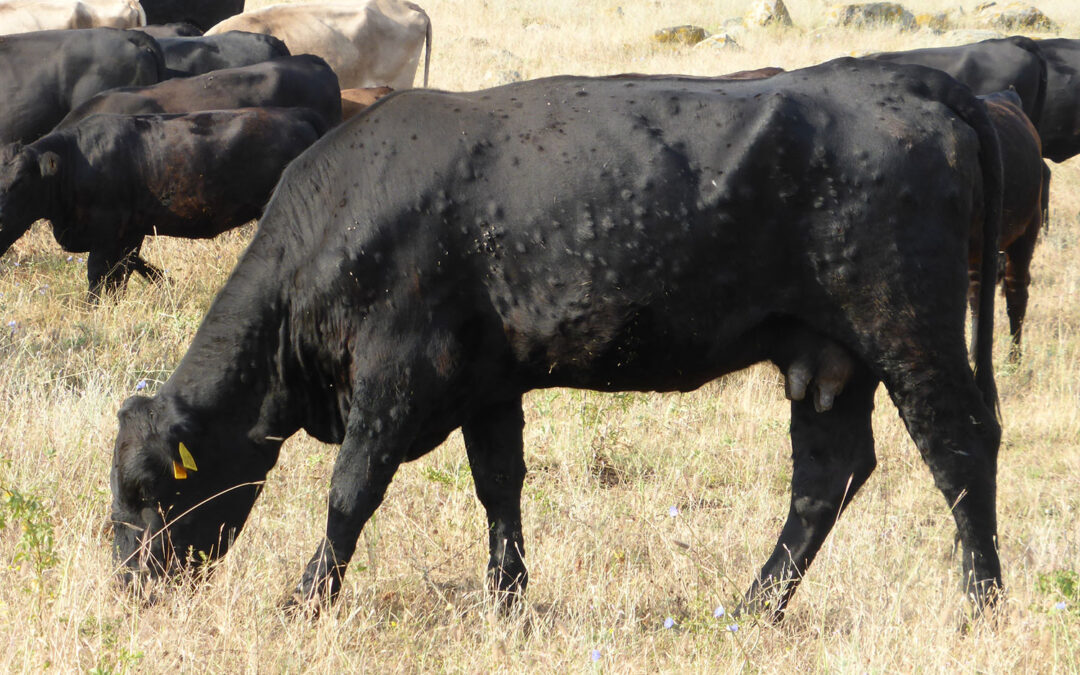
Lumpy skin disease outbreaks in Europe have dominated headlines in recent months, with first-ever cases reported in Spain this year. The impact of lumpy skin disease extends beyond animal health, affecting both individuals and economies. In this article, we explore key challenges and strategies for controlling the disease.
It isn’t just a health problem; lumpy skin disease has been the cause of farmers suffering major economic blows. With it comes the loss of trade from decreased milk production, weight loss and disrupted growth reproduction patterns.
The spread of the lumpy skin disease virus over long distances mainly occurs during the movement of infected animals. However, the disease also spreads locally, which is due to biting insect vectors, such as flies, mosquitoes and ticks. Lumpy skin disease can therefore be spread over long distances by the wind carrying insects that have the lumpy skin disease virus, or via the movement and trade of infected livestock.
Key in controlling this disease is early detection and a fast response, along with movement control and vaccination with high-quality vaccines. In addition, cross-border and cross-disciplinary collaboration is essential for effective prevention and control, says the World Organisation for Animal Health (WOAH) in its report The State of the World’s Animal Health.
Vaccination challenges
Despite the advantages of lumpy skin disease vaccination and it being a crucial tool in the fight against lumpy skin disease and for a better economic outcome than culling, these vaccinations also come with some challenges. The WOAH states that the most widely used vaccines are live-attenuated ones, such as the Neethling strain vaccine, which provides strong immunity, although in some cases mild symptoms can be observed in vaccinated cattle. Due to this last point, farmers may be alarmed by small lumps or lesions that resemble the disease, even though they are in fact harmless and temporary.
In addition, vaccines do not offer lifelong protection and booster doses are required. “Achieving high vaccination coverage of at least 80% is essential to slow the spread of the virus, but logistical and financial constraints, shortage of supply, vaccine hesitancy among farmers, and gaps in veterinary services can hinder large-scale vaccination efforts,” noted the WOAH.
It is also important to maximise the vaccine’s effectiveness; therefore, the advice highlights that vaccination should take place before peak insect seasons when the risk of transmission is the highest. It further adds that strong veterinary services and collaboration between authorities, farmers and industry stakeholders are critical to promote vaccine uptake and ensure a sustainable long-term control strategy.
A combination of strategies
The WOAH adds that, while vaccination is an important tool, effective disease control requires a combination of strategies, including:
Vector control: To support the control of lumpy skin disease, a good step would be to tackle biting insects, such as mosquitoes, flies and ticks, which means removing stagnant water sources where mosquitoes breed, careful use of insecticides and improving farm hygiene to minimise insect exposure.
Movement: Quarantining infected animals and restricting livestock movement from affected areas are necessary measures to prevent further spread. For newly-introduced cases, quick emergency vaccination and strict movement controls can help contain the disease before it becomes endemic.
A multi-sectoral approach: This involves stakeholder collaboration, targeted investments and well-defined national action plans. Raising awareness among farmers about lumpy skin disease transmission risks and the importance of biosecurity measures is vital. In addition, strengthening veterinary services through capacity-building programmes and improving access to laboratory facilities for early disease detection will enhance response efforts.