
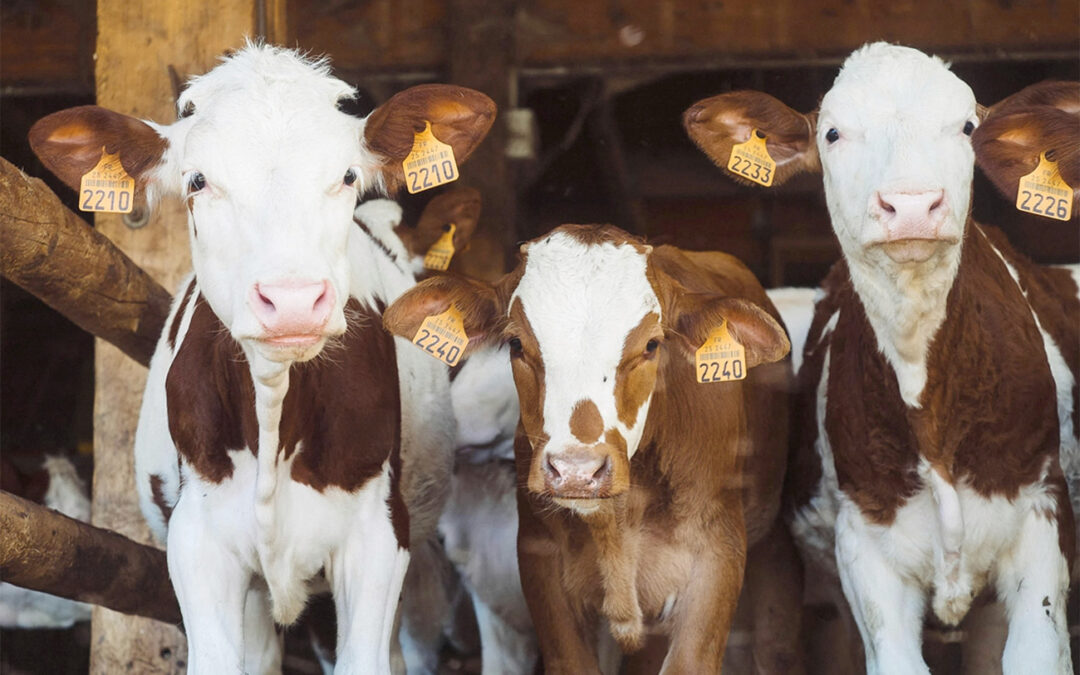
In Herzogenrath, Germany, just across the border from Kerkrade, a Dutch town in Limburg, bluetongue virus serotype 8 (BTV-8) has been detected in a calf.
This was reported by the German North Rhine-Westphalia Food and Consumer Product Safety Authority (LAVE.NRW).
At the end of November, an infection was also detected in Bitburg-Prüm, a district in Germany. A 150-km surveillance zone has been established around the infected farm. Farmers within this radius are required to vaccinate their cattle. This requirement does not apply to Dutch farms within this radius.
Vaccination against bluetongue a choice for livestock farmers
At the end of last year, the Dutch Ministry of Agriculture, Nature and Food Quality (LVVN) announced that it would not require vaccination for BTV-3 and BTV-8. This is because it is a Category C disease that is not subject to mandatory control measures. It is up to livestock farmers to decide for themselves whether vaccination is beneficial or not.
Vaccines are available for BTV-8, however the BTV-3 vaccine, which has been widely used in the past year, does not protect against BTV-8. The last outbreak of BTV-8 occurred between 2006 and 2012. On 15 February 2012, the Netherlands was declared free of this bluetongue variant.
The recent cold weather has made BTV-transmitting midges inactive. But as soon as temperatures rise above 10°C for a prolonged period, the insects become active again.