
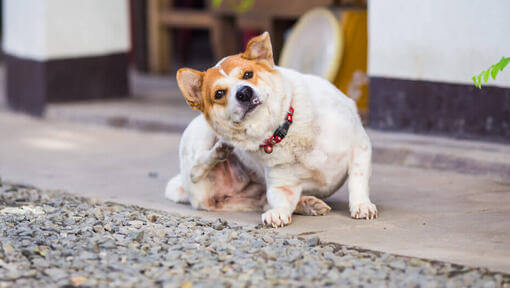
Yes, some dogs are allergic to chicken, one of the most common proteins in dog food
Chicken is one of the most widely used proteins in commercial dog foods, treats, and supplements, which makes it both widely consumed and one of the most common food allergies in dogs.
Chicken is one of the most widely used proteins in commercial dog foods, treats, and supplements, which makes it both widely consumed and one of the most common food allergies in dogs.
A chicken allergy in dogs does not present as an immediate reaction in the way people commonly think of allergies, such as sudden swelling or anaphylaxis. Instead, it is most often a delayed hypersensitivity reaction driven by the immune system’s response to one or more of the proteins found in chicken.
Over time, a dog’s immune system may begin to incorrectly identify chicken proteins as harmful invaders, triggering a chronic inflammatory reaction that often manifests in the skin, gastrointestinal tract, ears, or a combination of these systems. Because chicken is so frequently used ingredient in canine diets, there is a high chance of frequent and repeated exposure, which in turn can increase the likelihood that a sensitive dog will eventually develop an adverse immune response.
In fact, chicken is one of the most common food allergens in dogs, along with beef, dairy, and wheat.
Many owners assume that chicken is always the gentlest or healthiest option, but because it is a protein so widely used in the pet food industry, constant exposure causes some dogs’ immune systems to overreact to its proteins.
How to tell if your dog might be allergic to chicken?
Food allergies in dogs manifest primarily through the skin and the digestive system:
Intense itching (Pruritus): Frequent scratching or biting at their paws, groin, armpits, or face.
Recurrent infections: Frequent ear infections (otitis) or skin infections (pyoderma).
Gastrointestinal issues: Soft stools, chronic diarrhea, gas, or occasional vomiting.
Irritated skin: Redness, localized hair loss, or hot spots.
How to confirm the diagnosis?
Blood or saliva tests are usually not entirely reliable for food allergies in pets. The gold standard recommended by veterinarians is an elimination diet:
Strict transition (8 to 12 weeks): Switch their food to a novel protein source (one the dog has never tried before, such as venison or salmon) or a hydrolyzed diet (where the protein is broken down into fragments so small that the immune system cannot detect it).
Zero treats or scraps: During this time, no items containing chicken can be given (including biscuits, broth treats, or flavored chew toys).
Challenge test: If symptoms disappear and return upon reintroducing chicken, the allergy is confirmed.
If you suspect your dog has this issue, it is best to guide the process alongside your veterinarian to ensure they receive all the necessary nutrients when changing diets.